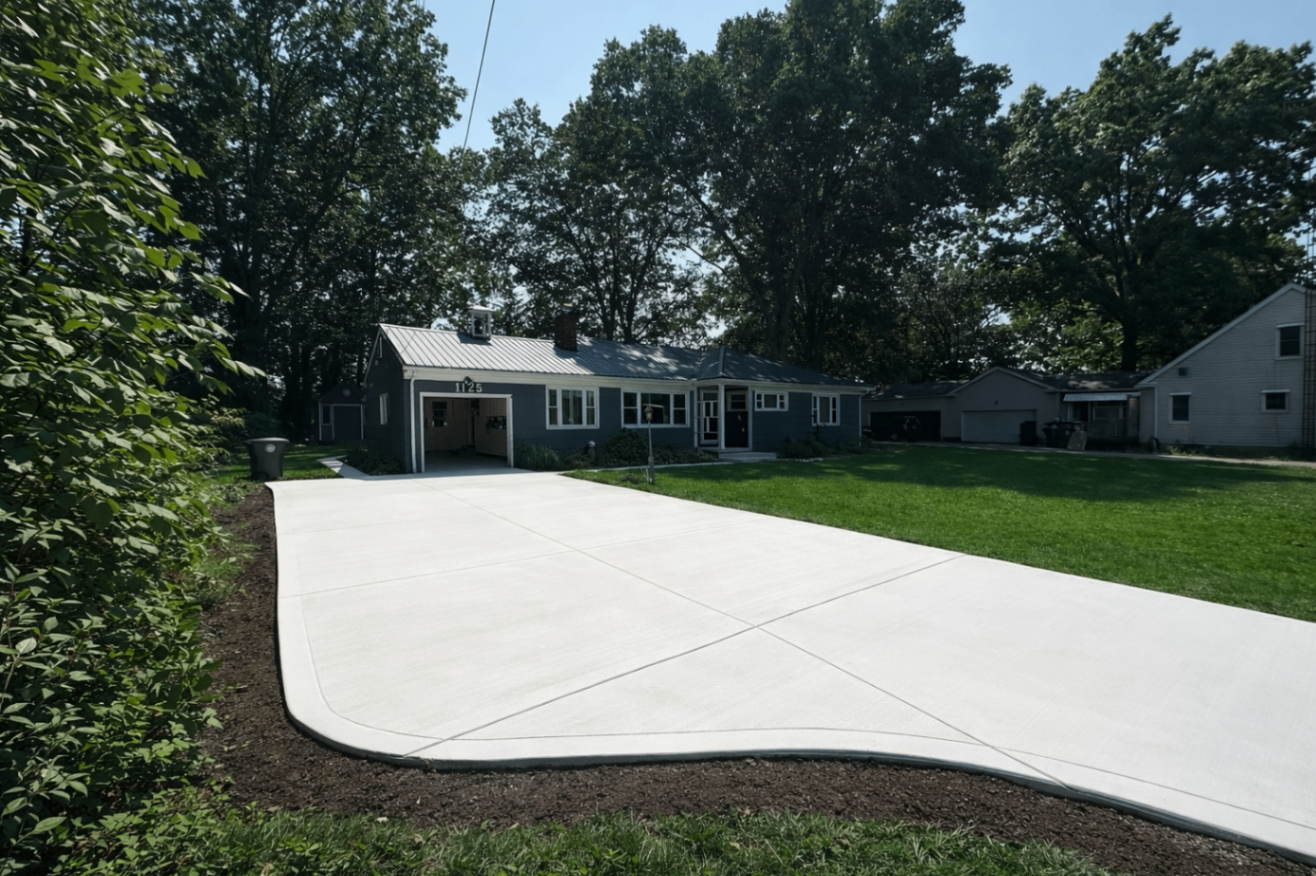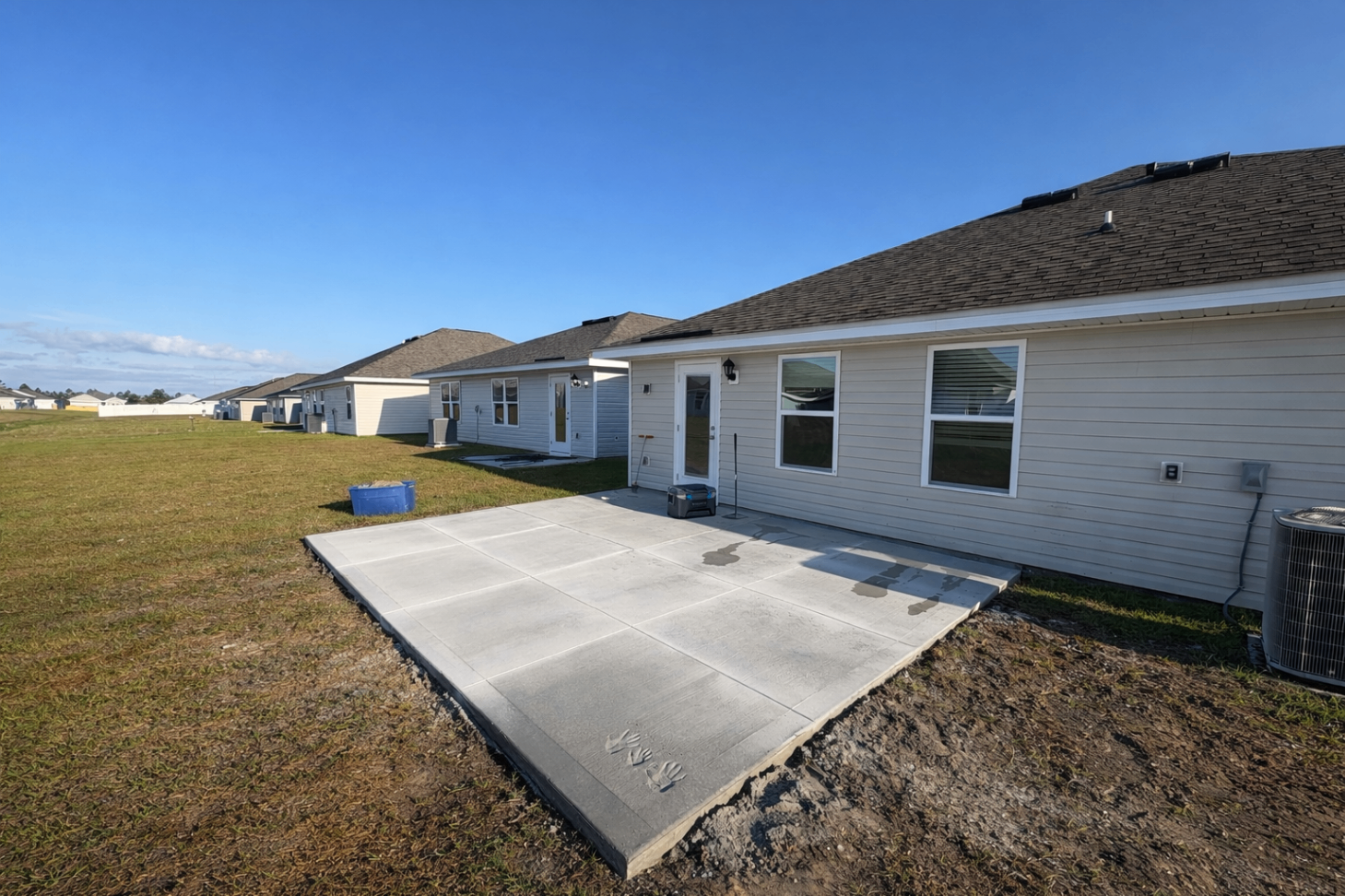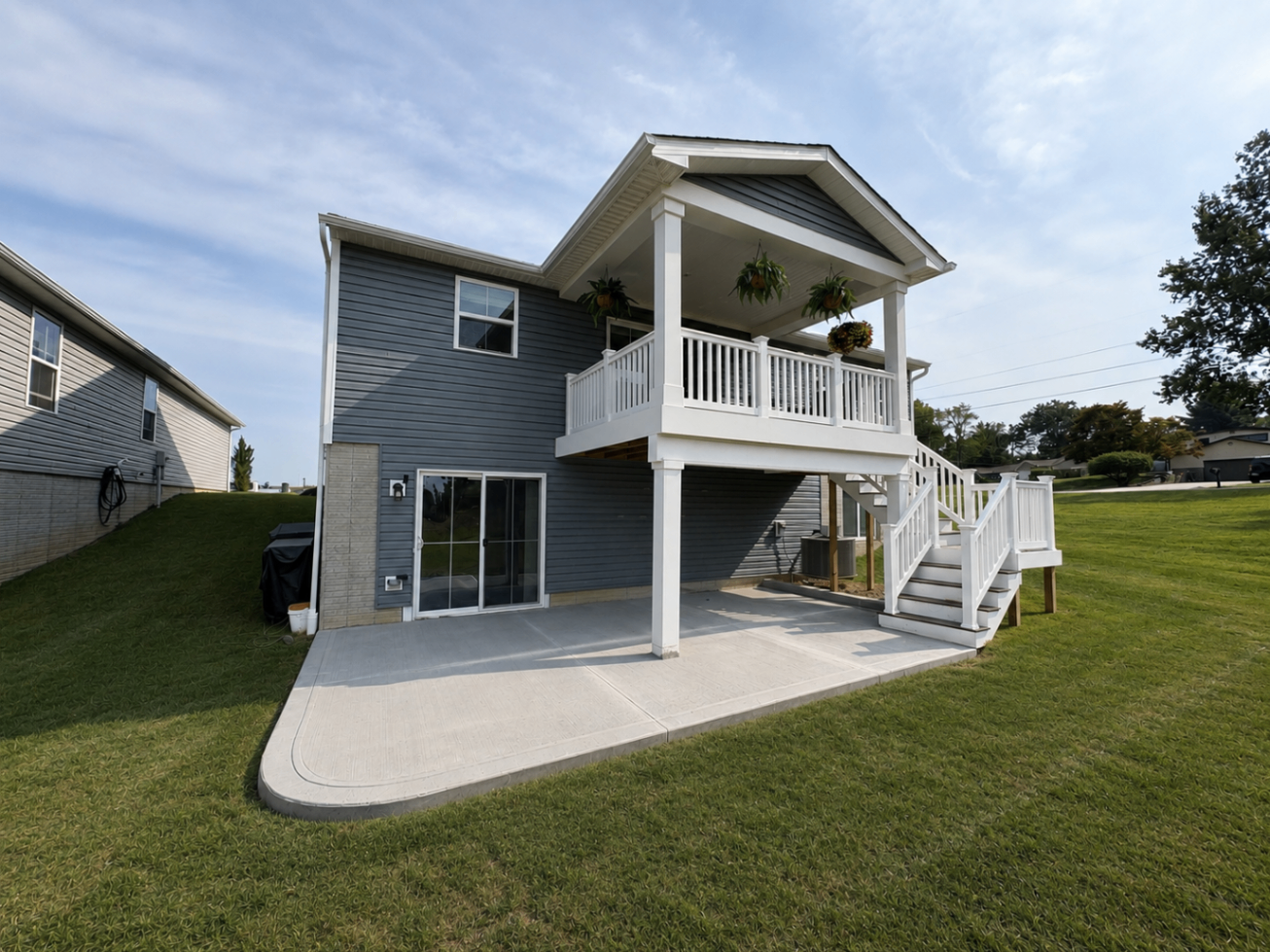
A good excavation project is measured by what happens after the machine leaves: water drains correctly, the base stays stable, structures are supported and the site is ready for the next phase. That is the lens to use when thinking about can excavation be done during winter in ohio.
Quick answer
Often, yes - but only when the site's grades, utilities, soil and end use support it. A site visit is the fastest way to determine whether the proposed approach is practical or whether another excavation or drainage method would perform better.
Why this matters around Akron, Ohio
Property-improvement excavation often changes how water and soil move across a site. That is why grading, drainage, access, permits and long-term stability need to be considered together rather than treated as separate details. On established properties, protecting driveways, structures, utilities and trees can be as important as the excavation itself.
Evaluate the whole site
Property-improvement excavation affects drainage, access and soil movement. A contractor should consider where water goes, what material will be removed or imported, how equipment gets in and what must remain protected.
Design for long-term stability
Retaining walls, ponds and slope corrections need more than an attractive shape. Subgrade preparation, drainage, compaction and suitable materials determine whether the improvement performs after several Northeast Ohio winters.
Check requirements before moving soil
Permits and approvals vary by project and jurisdiction. Work that changes grade, drainage, structures or stormwater can trigger local requirements, so confirm the current City of Akron or Summit County rules that apply to the specific property before starting.
A practical way to think about this project
Think one phase beyond the excavation. If a wall, pond, lawn or structure is coming next, give the excavator those finished requirements now. Correct elevation, compaction and drainage are easier to establish once than to repair after another trade has built over them.
Specific considerations for this question
Yes, some excavation can be done in winter, but frozen ground, snow, short daylight, unsuitable frozen fill and difficulty achieving compaction can affect production and quality. Emergency utility work may proceed regardless of season, while finish grading is often better saved for suitable soil conditions.
Example Akron-area project scenario
A winter utility repair may be practical even when frozen ground makes final landscaping impossible. The crew can complete critical excavation and return for finish grading when soil conditions improve.
Verify rules early
Permitting questions are easiest to solve while the project is still on paper. Once grading, drainage or structural design is set, a newly discovered requirement can force expensive changes. Confirm jurisdiction and approvals before finalizing the excavation plan.
Homeowner checklist before requesting a quote
Verify property and drainage constraints
Confirm whether permits or approvals apply
Plan overflow or drainage routes
Consider access for future maintenance
Define final elevations before excavation
When to bring in a professional
If the work affects drainage, foundations, utilities, structural support, large volumes of soil, steep slopes or heavy demolition, a professional site evaluation is usually worth doing early. It can reveal access limitations and scope issues before they turn into change orders or property damage.
When you are ready to price the real project rather than a hypothetical one, Edgewater Company can review the site and provide an excavation quote built around the conditions on your property.
Request a quote from Edgewater Company
Serving Akron and surrounding Northeast Ohio communities. Share your property address, project type, photos and desired timeline to start the estimate conversation.