A good excavation project is measured by what happens after the machine leaves: water drains correctly, the base stays stable, structures are supported and the site is ready for the next phase. That is the lens to use when thinking about why is proper compaction important before construction.
Quick answer
The visible symptom usually comes from conditions below or around it. Drainage, base thickness, compaction, soil type, water movement and previous construction all influence how an excavated area behaves over time.
Why this matters around Akron, Ohio
Foundation excavation is precision work. The crew has to create safe access, maintain the required dimensions, protect nearby structures and utilities, manage excavated soil and leave a stable base for the work that follows. Local lots can also have mature landscaping, older utility routes and limited machine access, which makes planning before mobilization especially important.
Excavation has to match the structure
Foundation work is based on plans, required bearing conditions and the dimensions needed for footings, walls, drainage and safe working room. Digging too much creates extra fill and cost; digging too little can slow every trade that follows.
Soil conditions matter more than they look
Loose fill, saturated soil, organics and unexpected rock can change the excavation plan. A stable subgrade and proper compaction are essential because concrete, slabs, driveways and landscaping all rely on what is underneath them.
Existing homes require extra care
Excavating beside an existing foundation means working around utilities, landscaping and structural loads while controlling water and soil movement. Waterproofing or repair projects should be planned so the wall is exposed safely and backfilled with the correct materials afterward.
A practical way to think about this project
Think one phase beyond the excavation. If a wall, pond, lawn or structure is coming next, give the excavator those finished requirements now. Correct elevation, compaction and drainage are easier to establish once than to repair after another trade has built over them.
Specific considerations for this question
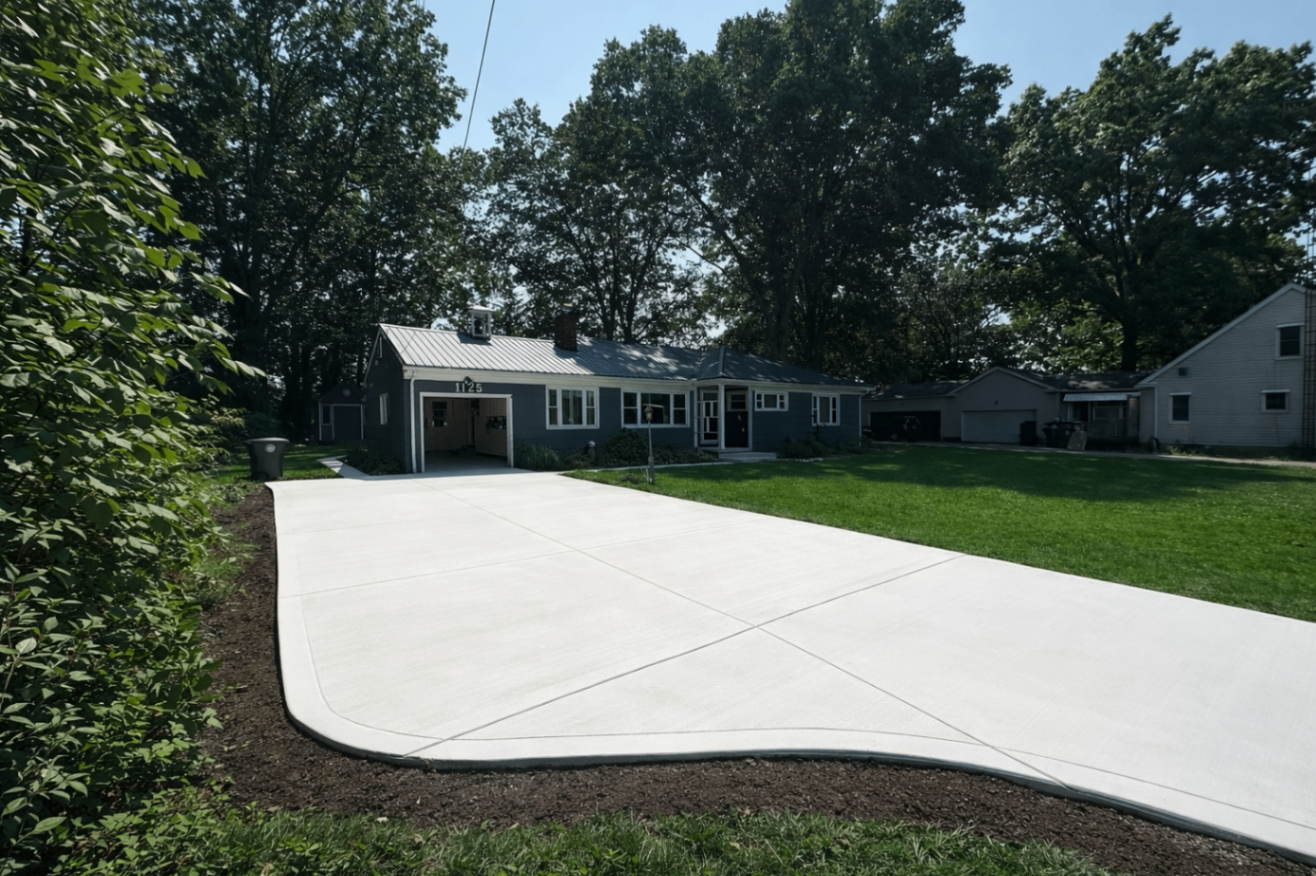
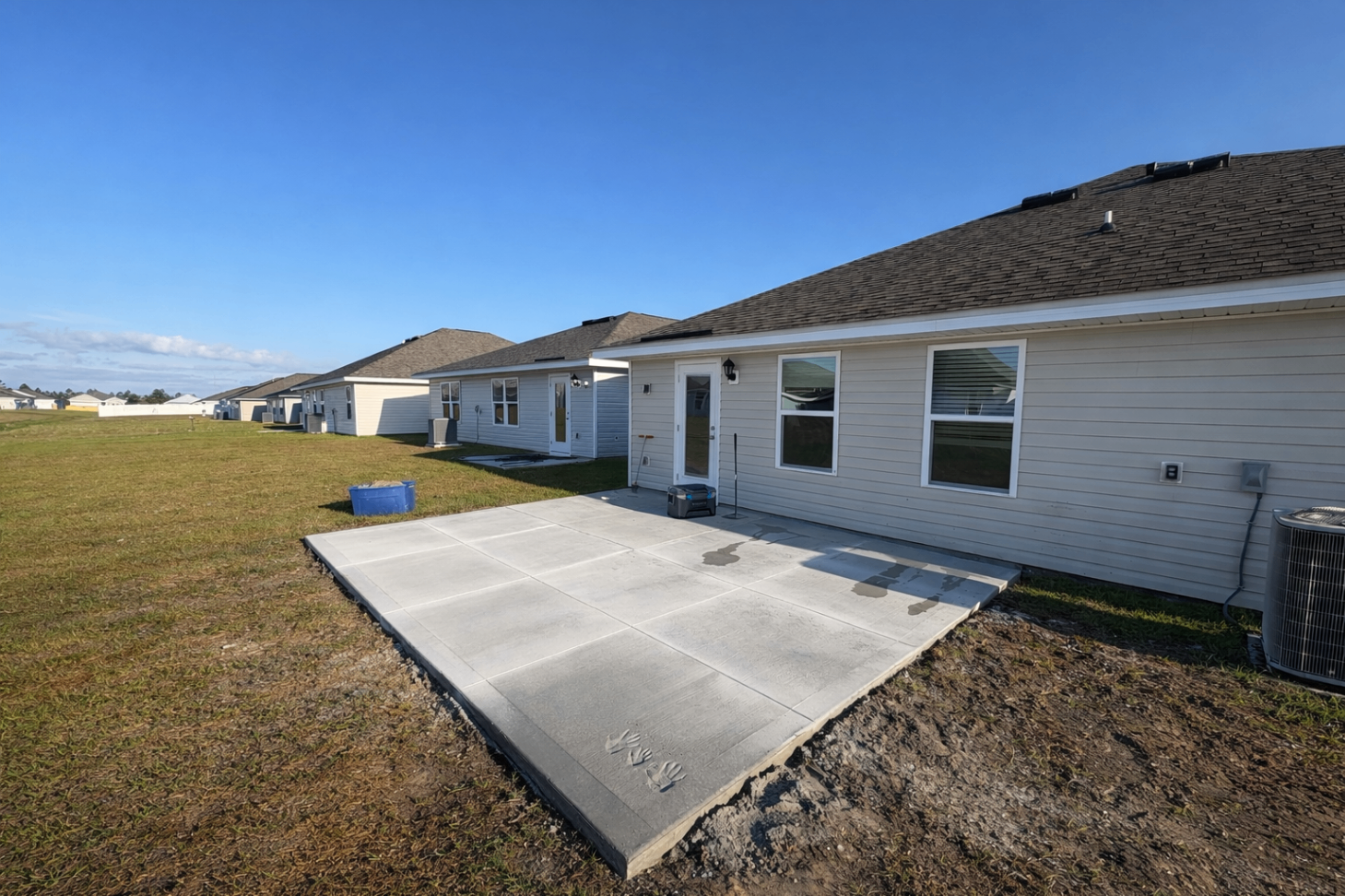
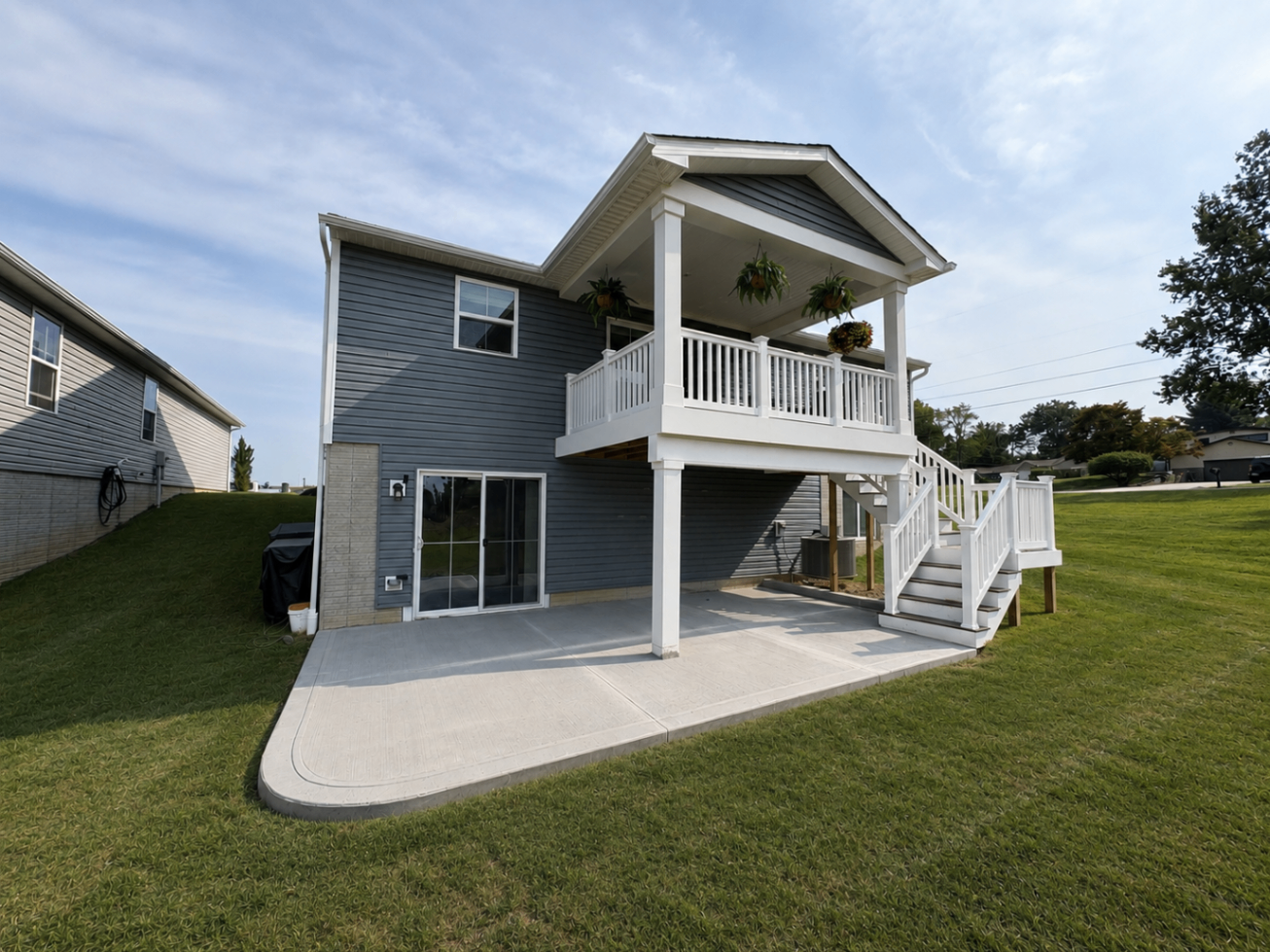
Uncompacted fill settles. Under slabs, driveways, patios and foundations, that settlement can create cracks, dips and drainage changes. Proper lift thickness, material selection, moisture and compaction equipment are what turn loose fill into a stable construction base.
Example Akron-area project scenario
A basement-lowering project can expose existing footings in stages. The excavation sequence is dictated by structural design, so it cannot be treated like ordinary interior dirt removal.
Backfill matters too
The project is not complete when the foundation work is finished. Backfill material, lift thickness, compaction near walls and final drainage grade all influence settlement and future water movement. Areas that will support concrete or pavement require special attention.
Homeowner checklist before requesting a quote
Have plans or repair details available
Identify utilities entering the building
Plan spoil and truck locations
Confirm waterproofing/drainage sequence
Define backfill and compaction requirements
When to bring in a professional
If the work affects drainage, foundations, utilities, structural support, large volumes of soil, steep slopes or heavy demolition, a professional site evaluation is usually worth doing early. It can reveal access limitations and scope issues before they turn into change orders or property damage.
When you are ready to price the real project rather than a hypothetical one, Edgewater Company can review the site and provide an excavation quote built around the conditions on your property.
Request a quote from Edgewater Company
Serving Akron and surrounding Northeast Ohio communities. Share your property address, project type, photos and desired timeline to start the estimate conversation.