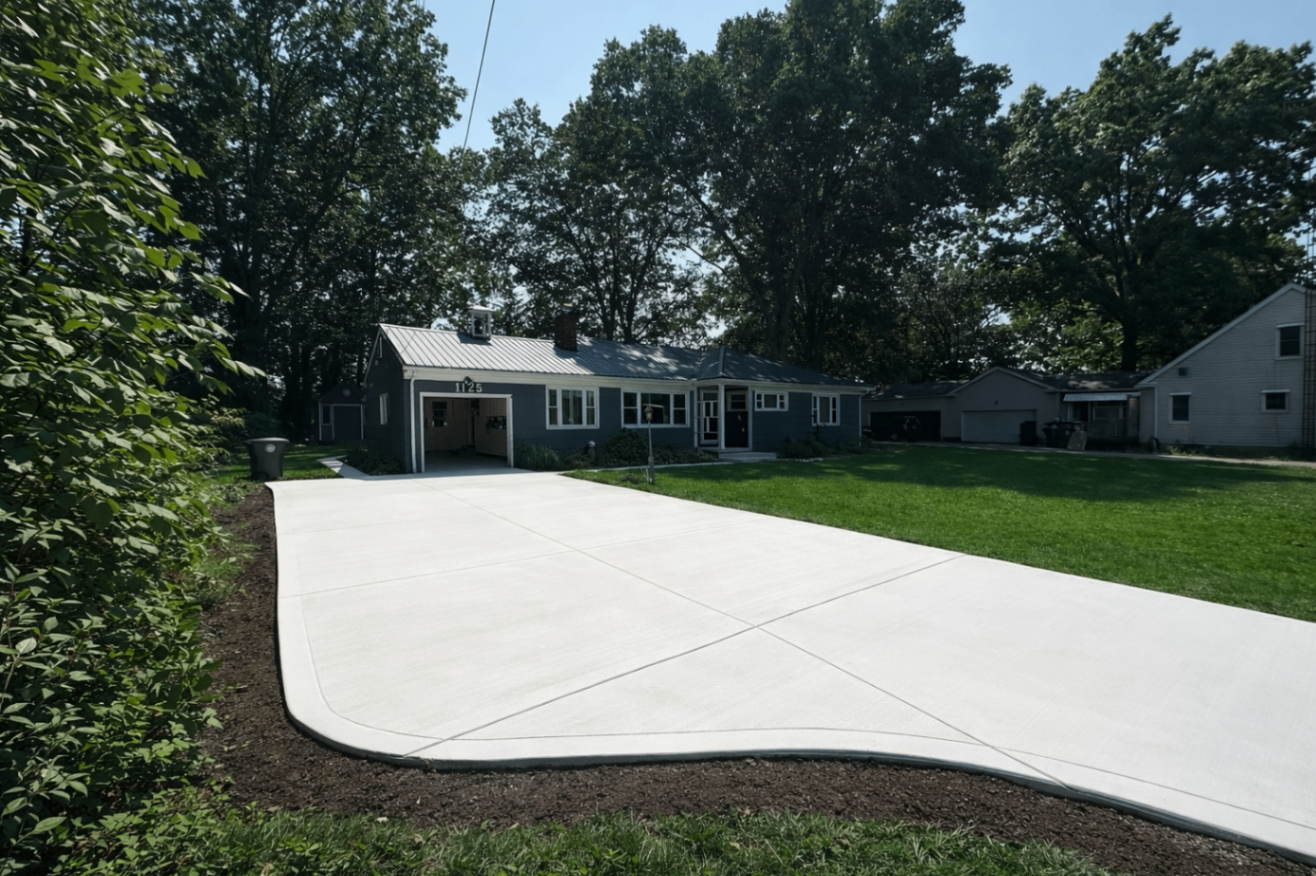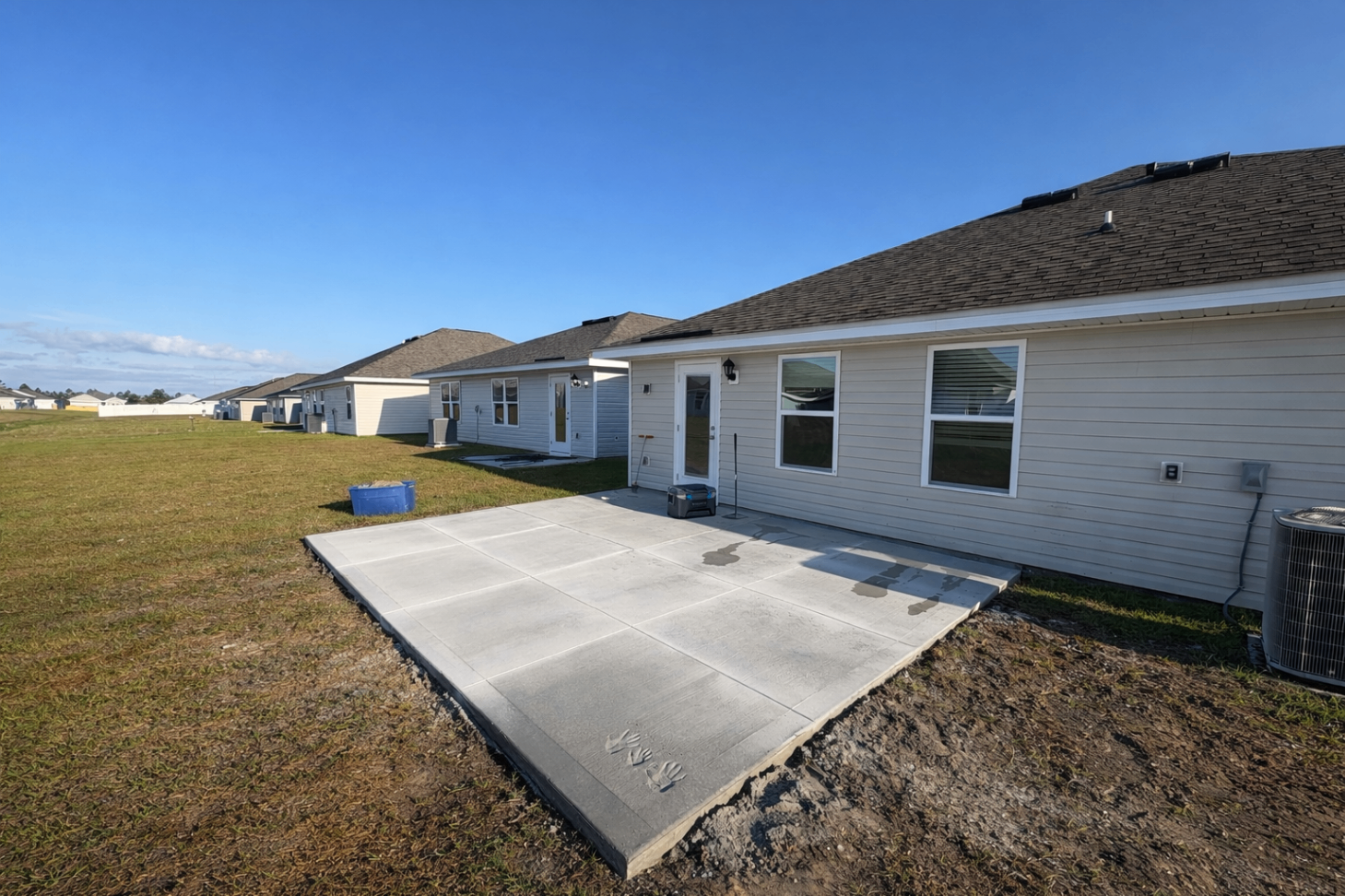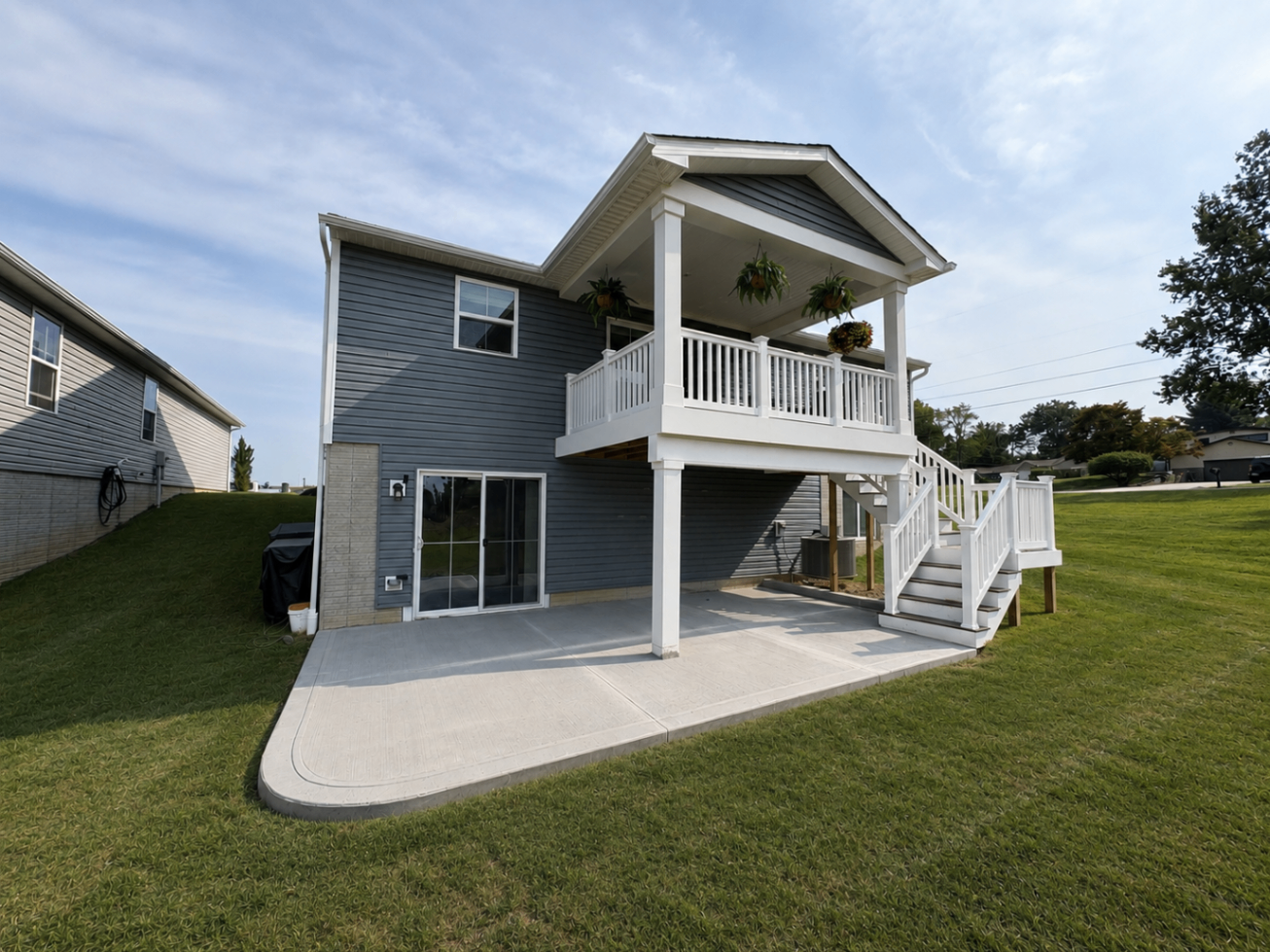
Before comparing equipment sizes or contractor prices, it helps to define the outcome you actually need. When homeowners ask about how much slope should a yard have away from a foundation, the answer depends less on a single number and more on the site's grade, soil, access, utilities and final use.
Quick answer
There is no reliable one-price answer without seeing the site. Excavation cost is normally built from equipment and labor time, trucking, disposal or imported material, access, depth, soil conditions, utility constraints and finish requirements. For Akron properties, an on-site estimate is far more useful than a generic national average.
Why this matters around Akron, Ohio
Northeast Ohio gets enough rain, snowmelt and freeze-thaw movement that drainage problems rarely stay cosmetic. Water that repeatedly collects beside a foundation, across a lawn or at the base of a slope can damage landscaping and contribute to more expensive moisture problems. The practical goal is not to move the most dirt; it is to move the right material to the right elevation and leave the property ready for long-term use.
Start by tracing where the water is coming from
Standing water can come from roof runoff, neighboring grade, compacted soil, a low spot, a blocked outlet or a combination of several issues. The visible puddle is often the end of the drainage path, not the source.
Grading and drainage solve different parts of the problem
Regrading changes surface flow. A French drain or solid pipe handles water that needs a defined route. Sometimes one solution is enough; other properties need both. The right choice depends on elevations and where water can legally and safely discharge.
Protect the foundation first
When water is moving toward the house, the priority is to establish positive drainage away from the foundation without sending the problem onto a neighboring property. Downspouts, swales, soil elevations and hard surfaces should all be considered together.
A practical way to think about this project
Ask for a scope that separates excavation, trucking, material, disposal and finish work. If a contractor gives a number without discussing access, grade or where soil will go, you do not yet have enough information to compare that estimate with another one. The most useful quote explains assumptions as well as price.
Specific considerations for this question
Rather than relying on one generic slope percentage, the contractor should verify current elevations and applicable requirements for the property. The practical target is enough fall to move water away without creating erosion or sending runoff onto a neighbor. Hard surfaces and soil areas may also need different drainage details.
Example Akron-area project scenario
A swale between houses can look like wasted lawn, but it may be the intended drainage route for several lots. Filling it to create a flatter yard can move water toward foundations or neighboring property.
Protect neighboring properties
Changing grade can redirect runoff. The objective is to improve your property without concentrating water across a lot line. Existing swales and drainage easements should be respected, and major changes should be checked against applicable local requirements.
Homeowner checklist before requesting a quote
Photograph the yard during or immediately after rain
Check downspout discharge locations
Note the lowest points on the property
Identify where water can safely outlet
Look for foundation staining or recurring basement moisture
When to bring in a professional
If the work affects drainage, foundations, utilities, structural support, large volumes of soil, steep slopes or heavy demolition, a professional site evaluation is usually worth doing early. It can reveal access limitations and scope issues before they turn into change orders or property damage.
If the project is moving from research to planning, the next useful step is a site evaluation. Edgewater Company can review access, grade, soil movement and scope so you can request a quote based on the actual property.
Request a quote from Edgewater Company
Serving Akron and surrounding Northeast Ohio communities. Share your property address, project type, photos and desired timeline to start the estimate conversation.