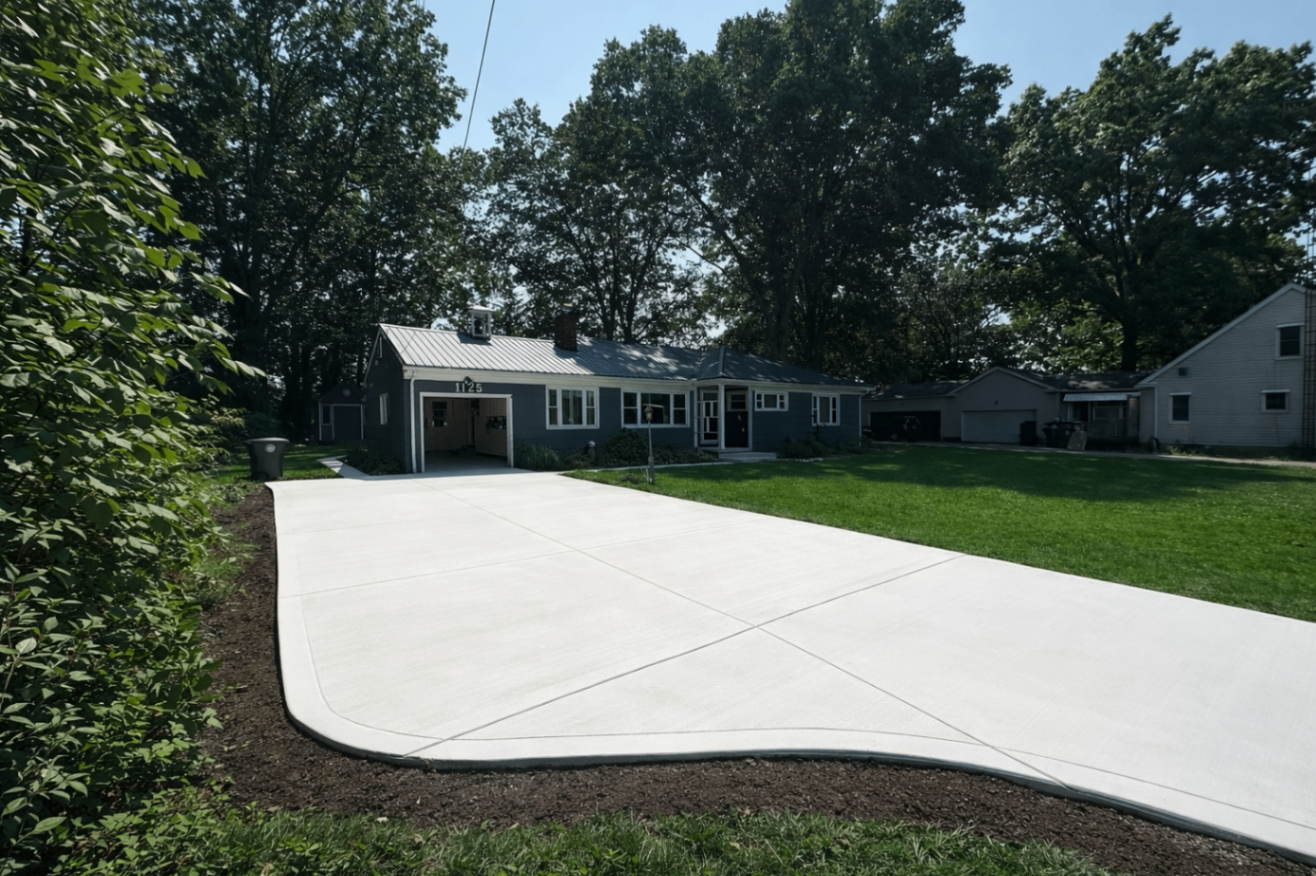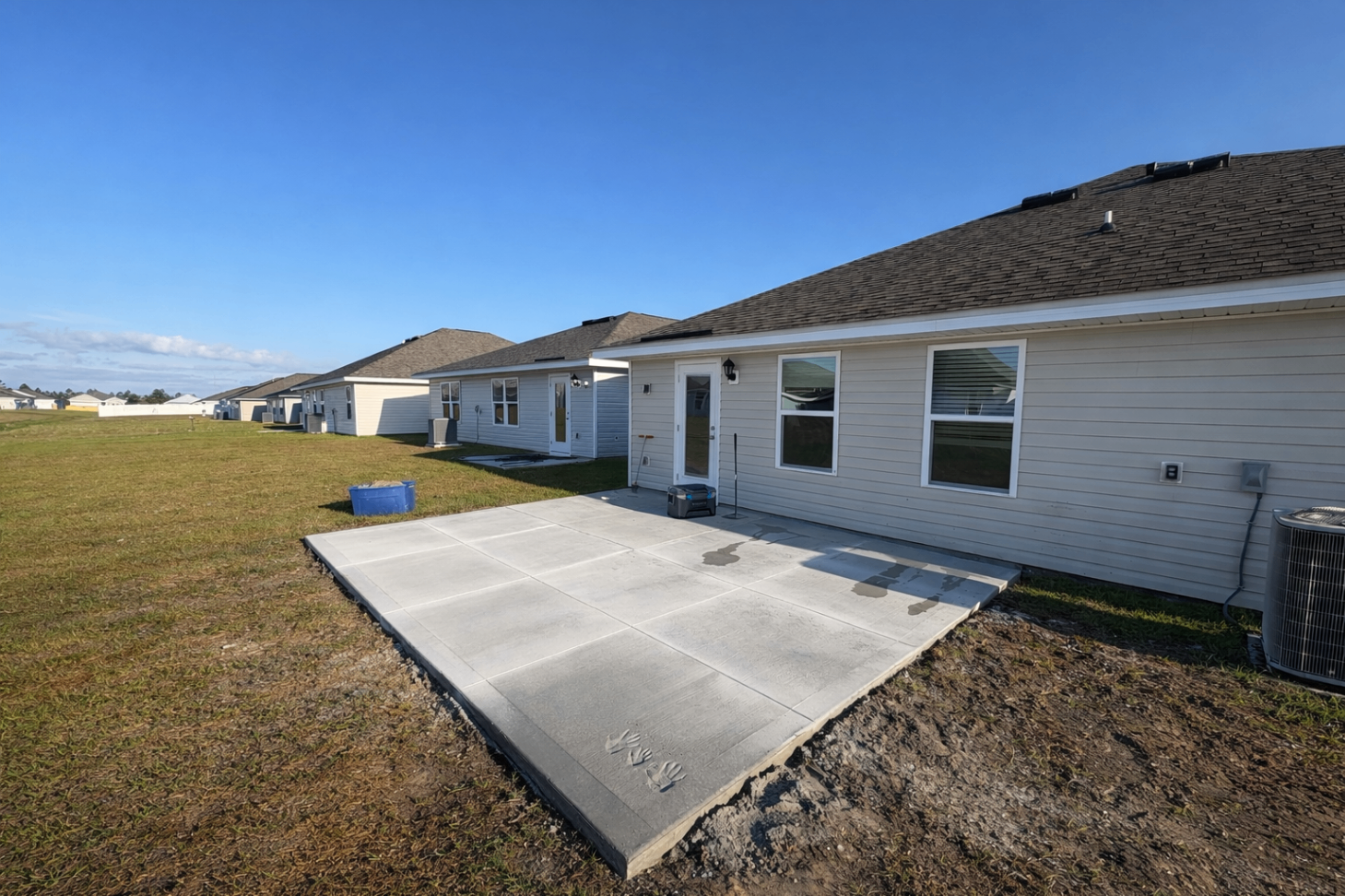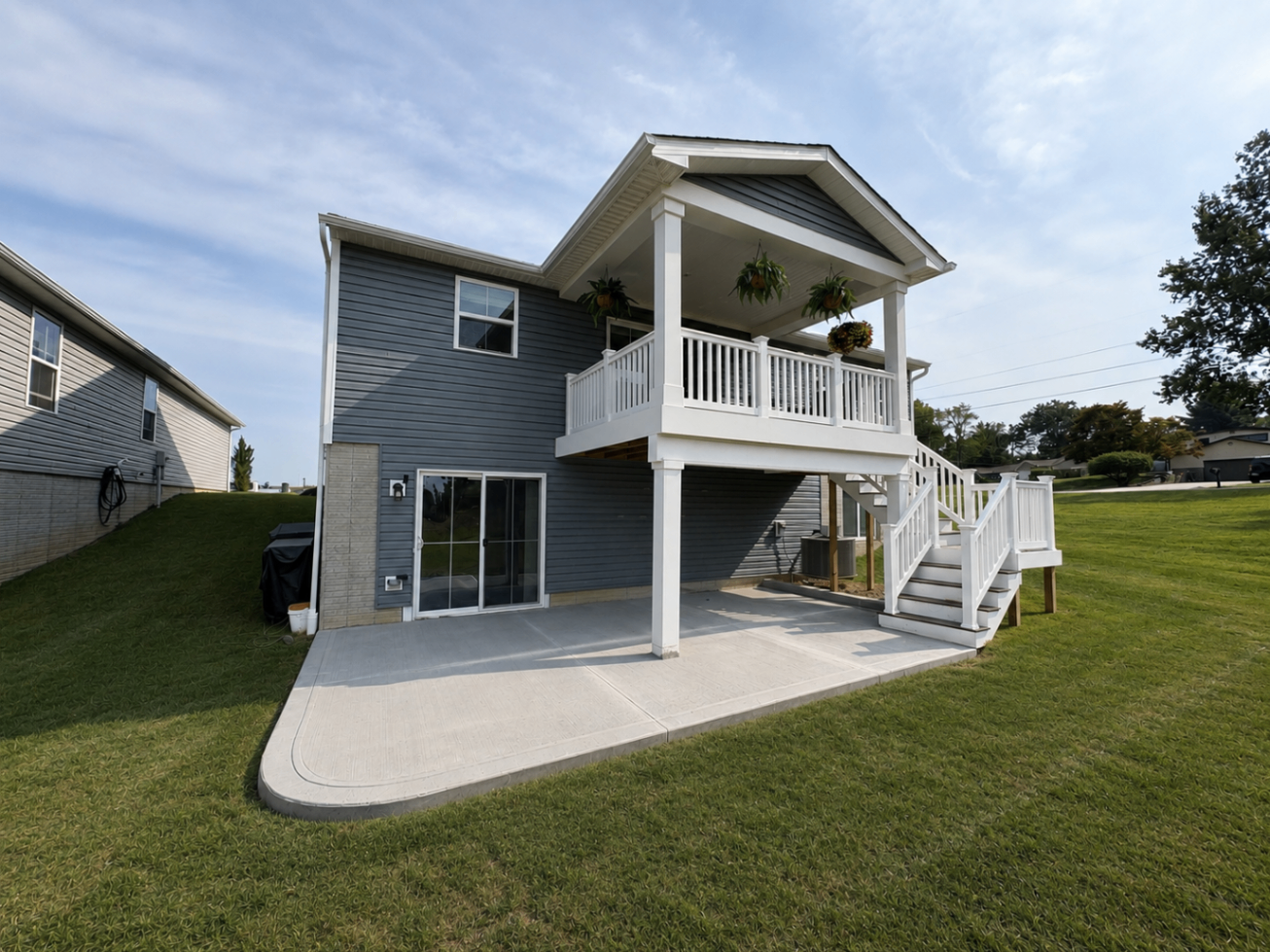
Excavation can look straightforward from the curb, but the details are underground. For an Akron-area property owner asking about how do you prepare soil for a new lawn after construction, the best plan starts with understanding the site rather than assuming every yard or lot can be approached the same way.
Quick answer
The right answer depends on the property. Excavation work should be based on actual elevations, soil, utilities, access and the final use of the area rather than a one-size-fits-all rule.
Why this matters around Akron, Ohio
Good construction starts before concrete or framing ever arrives. Clearing, stripping unsuitable material, establishing grades, managing drainage and compacting the right fill create the working platform for everything that comes next. The practical goal is not to move the most dirt; it is to move the right material to the right elevation and leave the property ready for long-term use.
Excavation has to match the structure
Foundation work is based on plans, required bearing conditions and the dimensions needed for footings, walls, drainage and safe working room. Digging too much creates extra fill and cost; digging too little can slow every trade that follows.
Soil conditions matter more than they look
Loose fill, saturated soil, organics and unexpected rock can change the excavation plan. A stable subgrade and proper compaction are essential because concrete, slabs, driveways and landscaping all rely on what is underneath them.
Existing homes require extra care
Excavating beside an existing foundation means working around utilities, landscaping and structural loads while controlling water and soil movement. Waterproofing or repair projects should be planned so the wall is exposed safely and backfilled with the correct materials afterward.
A practical way to think about this project
Think one phase beyond the excavation. If a wall, pond, lawn or structure is coming next, give the excavator those finished requirements now. Correct elevation, compaction and drainage are easier to establish once than to repair after another trade has built over them.
Specific considerations for this question
Construction often leaves compacted subsoil and debris near the surface. Lawn preparation may require removing rubble, loosening or reshaping the subgrade, placing suitable topsoil and establishing smooth drainage before seed or sod goes down.
Example Akron-area project scenario
Selective clearing around mature trees requires more care than stripping an open site. Root zones, equipment routes and future grading elevations should be considered before the first stump is pulled.
Finish grade is a separate skill
Bulk excavation gets the building in the ground; finish grading makes the property usable. Small elevation errors near doors, patios and foundations can create drainage problems even when the overall site looks smooth. Final grade deserves its own careful pass.
Homeowner checklist before requesting a quote
Mark what must stay
Confirm property limits
Plan construction access
Identify topsoil to save or remove
Establish rough grades before clearing is complete
When to bring in a professional
If the work affects drainage, foundations, utilities, structural support, large volumes of soil, steep slopes or heavy demolition, a professional site evaluation is usually worth doing early. It can reveal access limitations and scope issues before they turn into change orders or property damage.
Every excavation site has constraints that are hard to see from photos alone. For an Akron-area project, Edgewater Company can assess the property and provide a clearer scope and estimate for the work required.
Request a quote from Edgewater Company
Serving Akron and surrounding Northeast Ohio communities. Share your property address, project type, photos and desired timeline to start the estimate conversation.