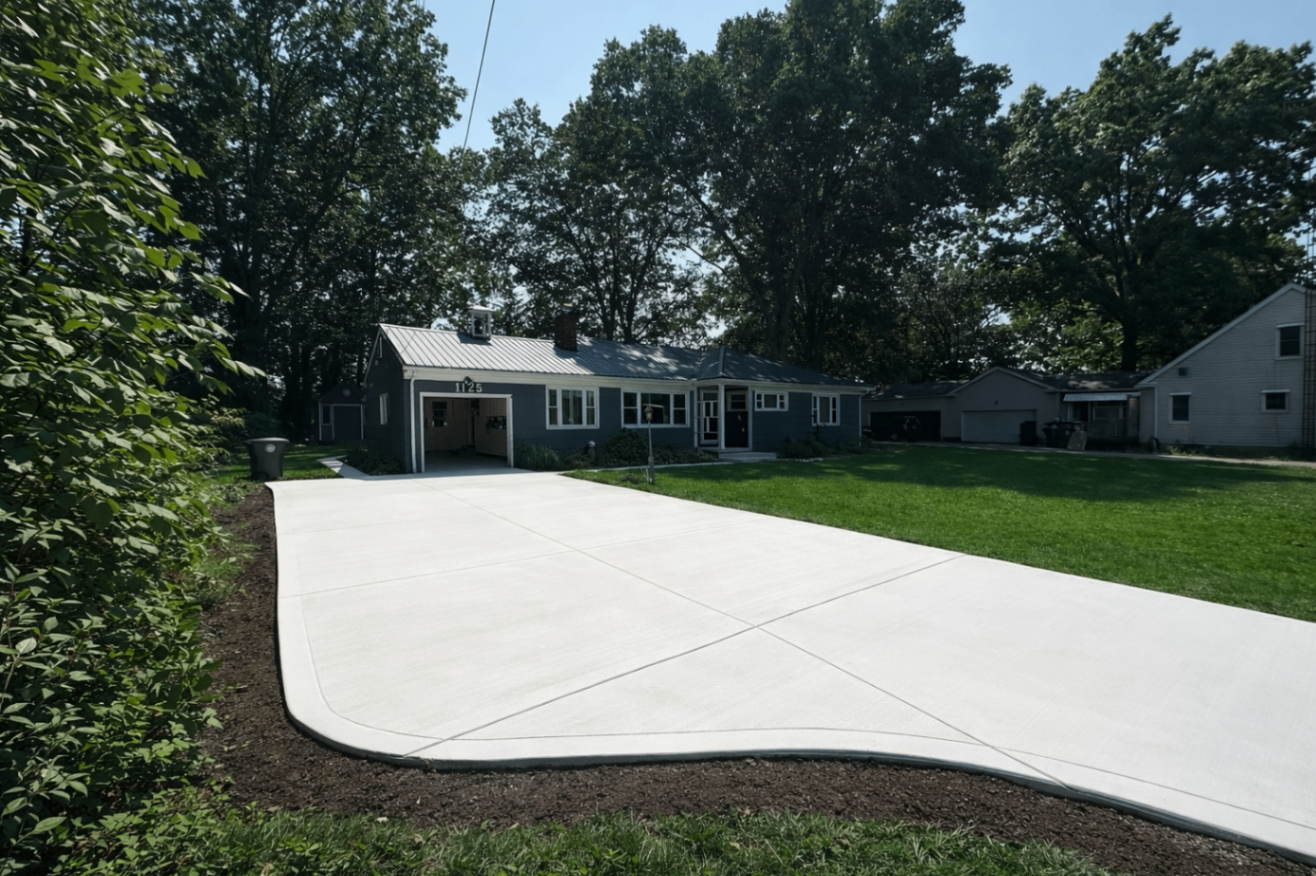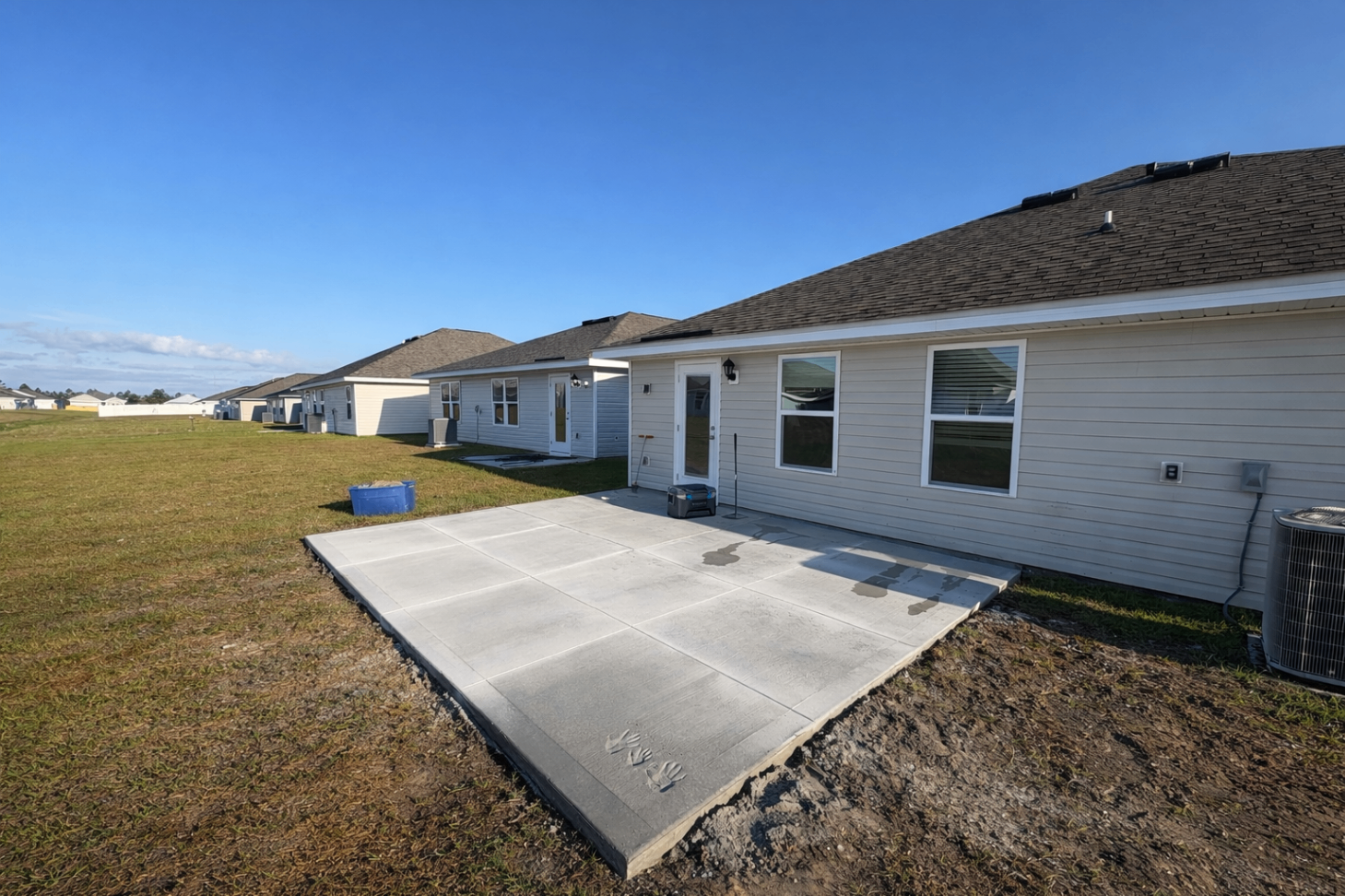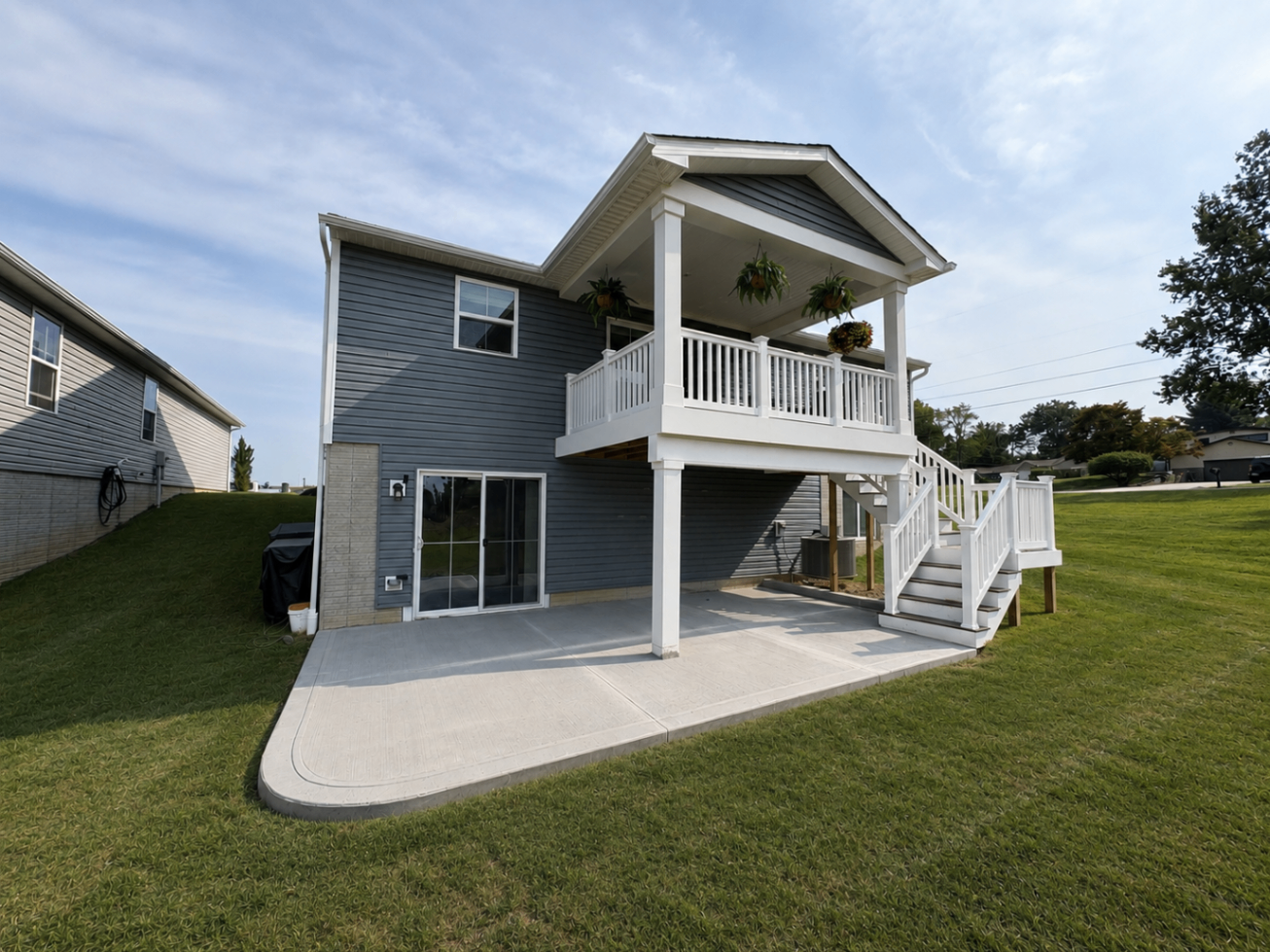
Excavation can look straightforward from the curb, but the details are underground. For an Akron-area property owner asking about how do you fix a sinking driveway, the best plan starts with understanding the site rather than assuming every yard or lot can be approached the same way.
Quick answer
The right answer depends on the property. Excavation work should be based on actual elevations, soil, utilities, access and the final use of the area rather than a one-size-fits-all rule.
Why this matters around Akron, Ohio
A driveway is only as durable as the material below the visible surface. In Northeast Ohio, poor drainage and weak base preparation show up quickly as ruts, potholes, settlement and frost-related movement. Local lots can also have mature landscaping, older utility routes and limited machine access, which makes planning before mobilization especially important.
Most driveway failures begin below the surface
Ruts and settlement are often symptoms of weak subgrade, insufficient base, poor compaction or trapped water. Adding fresh gravel can improve appearance temporarily without correcting the cause.
Drainage is part of driveway construction
A driveway should shed water rather than act like a shallow ditch. Crown, cross-slope, ditching, culverts and surrounding grade may all influence whether the surface stays firm through Ohio's wet seasons and freeze-thaw cycles.
Build the base for the finished surface
The required excavation depth and aggregate section depend on soil, traffic and whether the final surface will be gravel, asphalt or concrete. A contractor should prepare the subgrade with the long-term surface in mind.
A practical way to think about this project
Before adding another surface layer, identify whether the existing base is firm and whether water can escape. Rebuilding only the top can hide a subgrade problem for a season, while correcting base and drainage addresses why the driveway is failing in the first place.
Specific considerations for this question
Settlement commonly develops over poorly compacted fill, utility trenches, drainage structures or soft subgrade. The durable repair is to remove unstable material, rebuild the base in compacted lifts and correct any water source contributing to the settlement.
Example Akron-area project scenario
A driveway crossing a low ditch may need a culvert sized and placed so runoff continues to move. Simply filling the ditch can create upstream ponding.
Common driveway mistake
Adding new gravel every year can mask a failing base. If stone disappears into mud or ruts return after rain, the problem is usually deeper than the surface. Rebuilding weak areas may cost more once, but it stops the cycle of repeatedly buying material that cannot stay in place.
Homeowner checklist before requesting a quote
Check where driveway water currently goes
Identify soft or pumping areas
Plan final surface type
Confirm base material and compaction method
Consider culverts or ditch improvements
When to bring in a professional
If the work affects drainage, foundations, utilities, structural support, large volumes of soil, steep slopes or heavy demolition, a professional site evaluation is usually worth doing early. It can reveal access limitations and scope issues before they turn into change orders or property damage.
Every excavation site has constraints that are hard to see from photos alone. For an Akron-area project, Edgewater Company can assess the property and provide a clearer scope and estimate for the work required.
Request a quote from Edgewater Company
Serving Akron and surrounding Northeast Ohio communities. Share your property address, project type, photos and desired timeline to start the estimate conversation.